
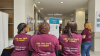
Western Cape health marks 40,000 patient milestone in GBV intervention programme
Since its inception, the Intimate Partner Violence (IPV) Intervention Programme has screened 40,000 patients to intervene early in domestic and family violence cases, offering critical support to any person who may otherwise never disclose violence or access help.
After a successful pilot phase at the Mitchells Plain Community Health Centre, the programme will be fully rolled out at the facility in the new year. Having already been implemented at Groote Schuur Hospital and Mitchells Plain District Hospital, this pilot has demonstrated that it can also be rolled out at primary-level community health centres.
Designed and funded by the Groote Schuur Hospital Trust, which seeks to strengthen the healthcare system’s response to domestic and intimate partner violence, the programme equips healthcare workers to recognise signs of IPV and screen patients accessing care.
Western Cape Minister of Health and Wellness, Mireille Wenger, said “Every person experiencing violence who enters one of our facilities deserves safety, dignity and support. This intervention strengthens our ability to identify people earlier, respond compassionately and connect them to the care they need. I am incredibly proud of the clinical teams and partners who have invested their energy, expertise and heart into this work. Together, we are building a Western Cape where no survivor is left unseen or unsupported.”
On-site counselling is offered to those experiencing IPV and where needed, patients are connected to external gender-based violence (GBV) support service where they can get assistance with protection orders, referrals to the Department of Social Development and specialised psychosocial support.
Healthcare workers receive dedicated training on identifying signs of violence, engaging sensitively with survivors and navigating clear referral pathways. Ongoing information, education and communication campaigns also support awareness among staff and patients, ensuring more people understand their rights and the help available to them. In each facility’s catchment area, teams map out community support networks to strengthen collaboration and expand survivors’ access to services beyond the health system.
This progress reflects the dedication of clinical teams and partner organisations, as well as the Department’s longstanding commitment to improving the way the health system identifies, supports and protects persons experiencing violence. This pilot project now forms part of a strong foundation for expanding the model to more facilities in the coming years, strengthening a coordinated and compassionate health system response to IPV.
As the country reflects during 16 Days of Activism, we are reminded that ending violence requires long-term, coordinated action across society. The Department will continue to work closely with hospitals, clinics and communities to expand this intervention to additional facilities in the coming years so more people experiencing violence can be identified early, supported safely and connected to care.
The Western Cape Department of Health and Wellness extends its gratitude to all partners, donors and frontline healthcare workers who continue to make this work possible. Together, we are advancing a proactive, compassionate and coordinated healthcare response to IPV, and moving closer to a future where every person is safe, seen and supported.
Media Enquiries
Robyn Thomson
Spokesperson for the Provincial Minister of Health and Wellness
Email: robyn.thomson@westerncape.gov.za