
Every breast cancer patient’s journey matter
A breast cancer diagnosis can bring fear, uncertainty and difficult decisions. For some women, the journey also brings unexpected sources of strength: a healthcare professional who listens, a volunteer who understands, or family and friends who offer support when it is needed most.
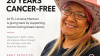
For 75-year-old Lorraine Mentoor from Cravenby, the journey began more than 20 years ago with a lump in her breast and a fear of what it might mean.
“I was scared. I didn’t want to hear the word cancer. In my mind, if you hear cancer, it means death.”
In 2005, Lorraine was referred from her local day hospital to Tygerberg Hospital. Following a mammogram, sonar and biopsy, she was diagnosed with breast cancer and told she would need a mastectomy. She underwent the operation in January 2006.
While she was in hospital, a representative from Reach for Recovery encouraged her to attend the organisation’s support meetings. There, she found support from people who understood the challenges she was facing.
“I attended the meetings and I have no regrets. I was received with open arms by Dr Sharon Čačala, and Dr Karin Baatjes. They were so friendly and did a wonderful job with my operation.”
Twenty years later, Lorraine is cancer free. She now volunteers with Reach for Recovery, supporting women who are facing the same fear and uncertainty she once experienced.
For 34-year-old Albertina Ida Ncube, the signs were different. She noticed unusual bruising, recurring hives and a lump in her breast. When her symptoms worsened, she sought medical attention and was diagnosed with breast cancer in October 2024.
The diagnosis came as a shock. Albertina went on to undergo eight rounds of chemotherapy, 15 sessions of radiation therapy and a double mastectomy. Complications during her recovery added to the challenges she faced.
At Groote Schuur Hospital’s Breast Clinic, the care she received from nurses and doctors helped her through some of the most vulnerable moments of her life.
“The sisters always seemed to know when I was having a difficult day. Their gentle tone, kindness and reassurance made me feel safe and cared for. Even when I didn’t have the strength to say how I was feeling, they picked it up and comforted me. They reminded me that I wasn’t facing this journey alone.”
Her family, friends and colleagues also helped her remain positive and focused on recovery.
Although Lorraine and Albertina’s experiences differ, their stories show that breast cancer care involves more than medical procedures. Patients also need to feel supported as they navigate the emotional and practical challenges of treatment and recovery.
Working together to support patients
At Tygerberg and Groote Schuur Hospitals, specialised breast cancer teams work alongside referral hospitals and non-profit organisations to help patients access treatment and support throughout their journeys.
For Lorraine, the connection with Reach for Recovery became a lasting source of support. The organisation has a presence at both hospitals, where volunteers, many of whom are breast cancer survivors, provide encouragement, a listening ear and practical assistance. They also help women following breast surgery with prostheses.
Other partnerships address challenges that can affect patients’ confidence and access to care. The Look Good Feel Better programme visits both hospitals monthly, showing patients how to apply make-up and use wigs and hair accessories to manage changes in their appearance during their cancer treatment.
For patients facing financial and transport difficulties, the non-profit organisation Pink Ladies Cancer Transport Fund reimburses eligible travel expenses for cancer-related care at Tygerberg and Groote Schuur. The fund has supported patients travelling to and from the hospitals since 2025.
Project Flamingo helps improve access to breast cancer services at Tygerberg Hospital by supporting six additional Saturday theatre lists each year, enabling approximately 50 patients annually to receive surgery. It also supports monthly CT scanning lists for staging and treatment planning, as well as a visiting psychologist who sees patients weekly. Project Flamingo also supports numerous other public hospitals across the Western Cape with additional theatre lists for cancer-related surgeries.
Together, these partnerships complement the specialised services provided by Tygerberg and Groote Schuur Hospitals, serving patients referred from across the Western Cape and beyond.
Associate Professor Francois Malherbe, Head of the Breast, Surgical Endocrine and Sarcoma Unit at Groote Schuur Hospital and the University of Cape Town, says treatment must reflect each patient’s individual circumstances.
“Breast cancer is not one disease, and no two patients come to us with the same circumstances. Our role is to ensure each patient is assessed properly and that treatment is planned around both her cancer’s biology and her individual needs.”
He encourages women to seek medical attention promptly when they notice changes in their breasts.
“A new lump or any other concerning change should be assessed at their local clinic or GP as soon as possible. Earlier diagnosis gives us more treatment options and, for many patients, a better chance of successful treatment.”
Dr Sharon Čačala, Head of Breast and Endocrine Surgery in the Division of Surgery at Tygerberg Hospital, emphasises that compassionate care and collaboration are essential throughout treatment.
“At Tygerberg Hospital, every breast cancer patient deserves the best possible treatment, along with compassion and dignity. Working with a multidisciplinary team that includes our referral hospitals, we strive to give personalised care, often in the face of significant challenges, for every breast cancer patient throughout their journey. Breast cancer can be a frightening diagnosis, but with earlier diagnosis and advances in treatment, it is not the end of the story. We need to face these challenges together, with courage, commitment, and hope.”
For Albertina, the message to other women is clear: “If something doesn’t feel right, get it checked. Early detection can save lives.”
Western Cape Minister of Health and Wellness, Mireille Wenger added, “Breast cancer is the most common cancer affecting women in South Africa, and it is deeply concerning that research shows more than half of women are only diagnosed when the disease has reached an advanced stage. We know that early detection can make a life-changing difference, and we want more women to have that chance. So, this Breast Cancer Awareness Month please make your breast health a priority. Speak to your healthcare provider about screening, be aware of changes in your body and don't delay seeking help if something doesn't feel right. Taking that first step could save your life.”
Media Enquiries:
Esethu Madlwabinga
Communication Officer
Western Cape Department of Health and Wellness
Cell: 063 602 6596
Email: Esethu.Madlwabinga@westerncape.gov.za